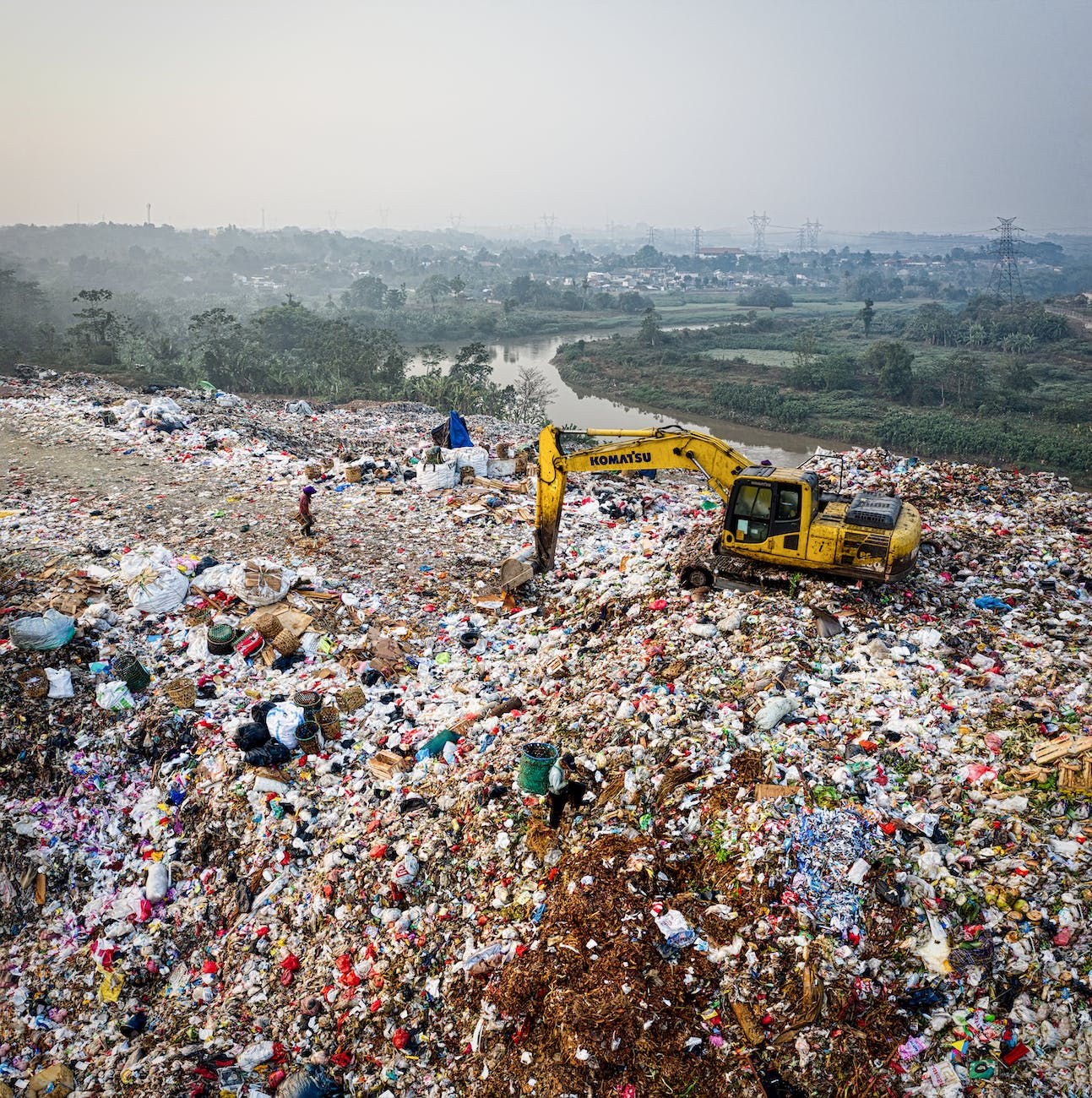
I watched a Tik Tok the other day and it was this women in the aisle of a superstore… think Walmart, even your local grocery store has this “aisle”. Its the seasonal aisle, with candy and in the summer there’s balls and cups, frisbees, beach chairs… etc. This women in the video I watched essentially was saying that all that crap they put for every season essentially just ends up in the garbage. Ive been having a similar thought for a few years now and this couldn’t be more true. Most of the junk people buy on amazon even target Walmart etc. ends up at some landfill somewhere. While there are many benefits to this new way of e-commerce and doing business online, there are also extreme implications that have no historical data we can compare to. Is this sustainable? Not just for the earth. But for yourself… naturally I don’t think many people care about the affect we are causing for our future selves. The average person just lives their life day to day, trying their best with the hand they were given. You go into work you come home, sick of the grind tired of feeling tired so you make an impulse purchase. Some gadget that caught your eye while browsing it was hard to miss with the big 35% off, 4hrs and a countdown to the second when the sale was going to end. WE ARE ALL GUILTY. It starts to become a bigger problem when you can’t identify it and you become dependent on things, stuff, or junk… to make you happy. In reality that’s a never ending search. If you are one of those people in search of a product, or thing to make you happy you’ll go broke before you find it. This type of spender and I used to be one is dangerous to themselves. You can easily fall into the trap of buying unnecessary stuff because you “deserve it” or you “work hard”. All this does is mess with your head, some of the time it puts you further behind than you were before. If you are someone who wants to take control of your personal finances, personal responsibility within your budget is non negotiable. Less is more, buy only what you need. That one little phrase has saved me thousands of dollars since I started telling myself that before I felt like I was making an impulse purchase. 40-80% percent of purchases are made impulsively, being able to identify the impulse, concisely analyze the situation and then decide against the purchase gives you power. Telling yourself you can do something but you are not going has extreme power to the subconscious. Minimalism is an interesting concept that has opened the eyes of millions of people worldwide about a similar approach to your well being.
https://www.theminimalists.com/minimalism/
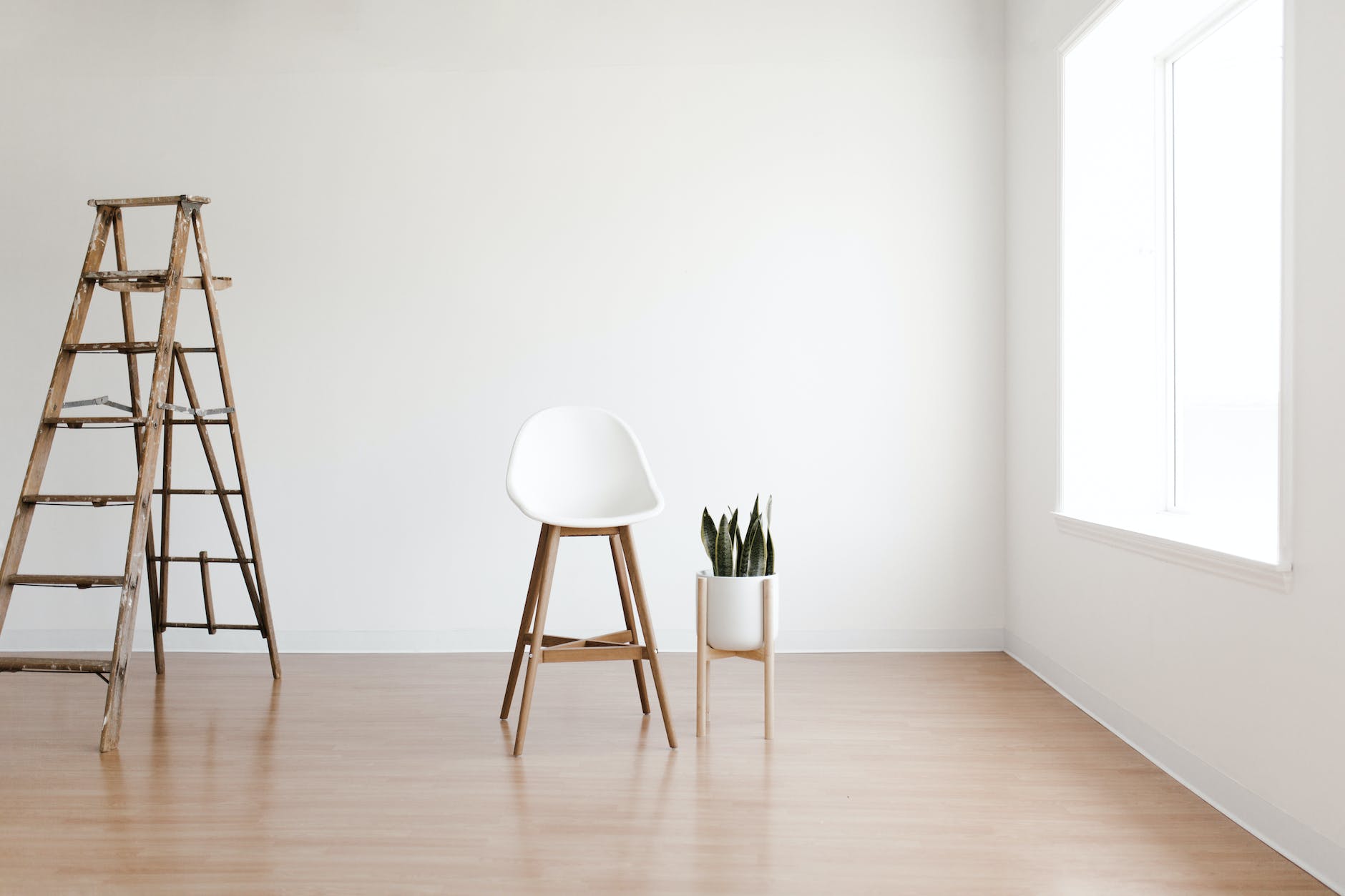
“Minimalism is a tool that can assist you in finding freedom. Freedom from fear. Freedom from worry. Freedom from overwhelm. Freedom from guilt. Freedom from depression. Freedom from the trappings of the consumer culture we’ve built our lives around. Real freedom.
That doesn’t mean there’s anything inherently wrong with owning material possessions. Today’s problem seems to be the meaning we assign to stuff: we assign too much meaning to things, often forsaking our health, our relationships, our passions, our personal growth, and our desire to contribute beyond ourselves.
Want to own a car or a house? Great, have at it! Want to raise a family and have a career? If these things are important to you, that’s wonderful. Minimalism simply allows you to make these decisions more deliberately.
There are plenty of successful minimalists who lead appreciably different lives. Our friend Leo Babauta has a wife and six children. Joshua Becker has a career he enjoys, a family he loves, and a house in suburbia. Conversely, Colin Wright owns 51 things and travels all over the world. And Tammy Strobel lives in a tiny home and is completely car-free.
Even though each of these people are different, they all share two things in common: they are minimalists, and minimalism has allowed them to pursue purpose-driven lives.
But how can these people be so different and yet still be minimalists? That brings us back to our original question: What is minimalism? If we had to sum it up in a single sentence, we would say, Minimalism is a tool to rid yourself of life’s excess in favor of focusing on what’s important—so you can find happiness, fulfillment, and freedom.”
 Millennial Money Takes